◎
AI agents, grounded in real agency work
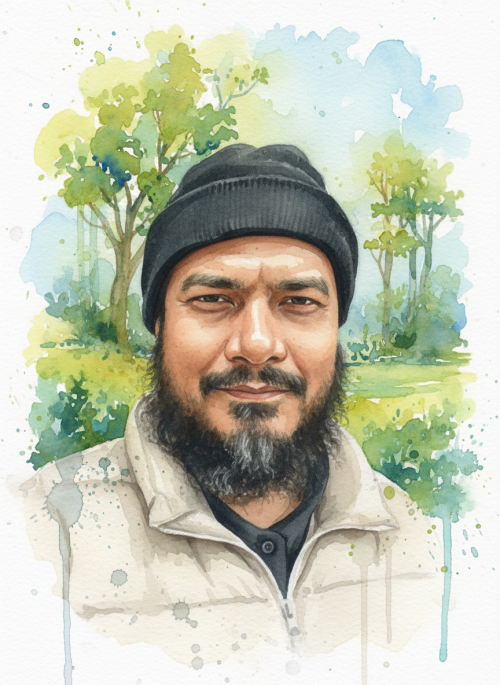
I build AI-assisted workflows for the real work of a web agency: support emails, tickets, website fixes, hosting migrations and team handovers. Behind that work are 20 years in web development, 17 years with an Australian agency, and contributions to more than 3,000 websites across my career.
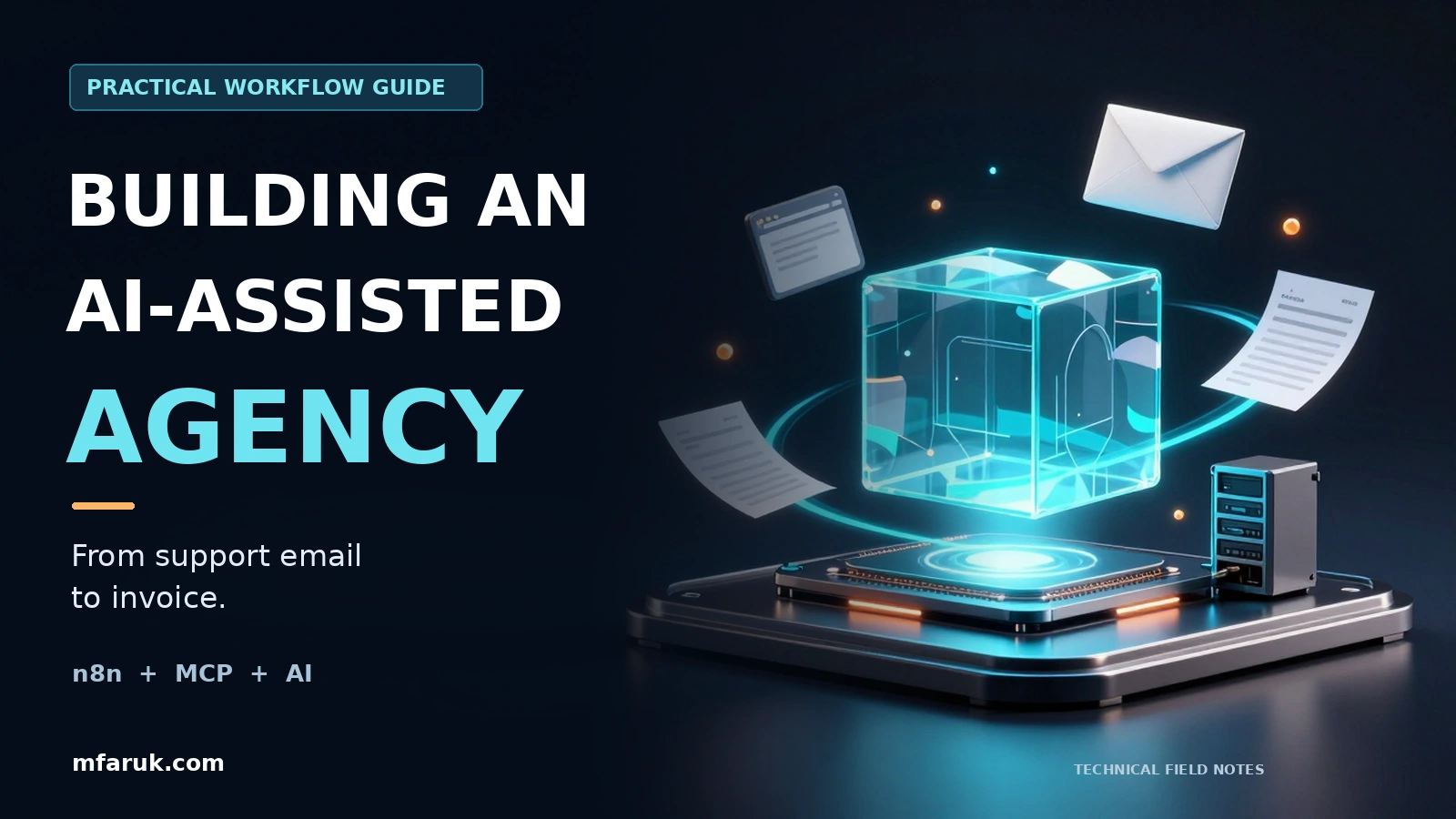
I work across AI systems to build agentic workflows for development, code review and troubleshooting. My toolkit includes n8n for workflow automation, MCP for tool connections, and ERPNext for tickets and operations. I’ve built email-to-ticket workflows, Google Chat summaries, reusable fix skills and migration automation. My aim is to give a small team much more capacity, with explicit permissions, verification and human review built into the process.
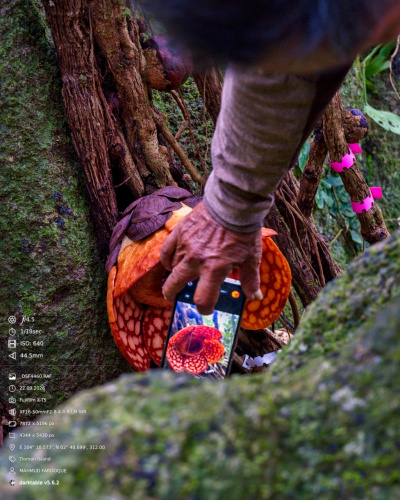
Outside client work, I write about what I build and the problems I solve, and head out with my camera whenever I can. This site brings those parts of my work together.
- years in web development
- 20
- years with an Australian agency
- 17
- websites worked on across my career
- 3,000+
Where I work
Dhaka, BangladeshOpen to on-site, hybrid and remote work.
How I communicate
- English · professional
- Bangla · native
Clear updates, practical documentation and follow-through.
⌘
Agentic AI for web agencies
The opportunity I’m focused on: connect the inbox, ticket queue, website tools and team communication into one operating workflow.
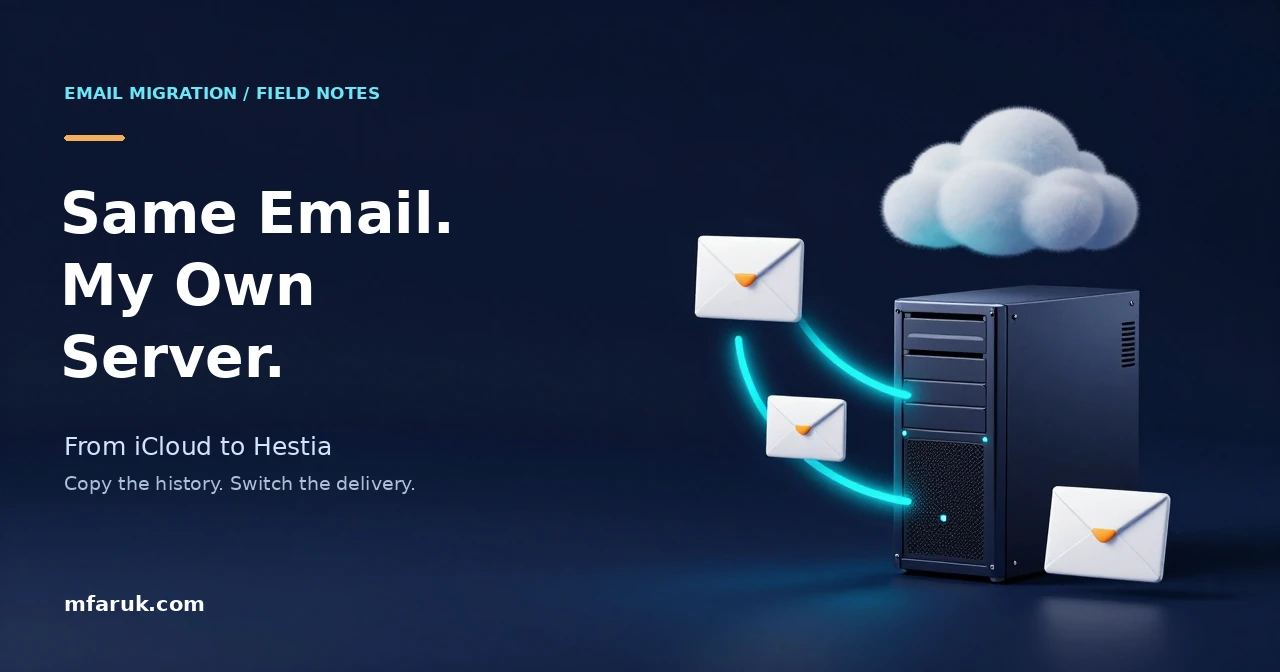
Foundations I’ve builtSupport email → ERPNext ticket → Google Chat summary, reusable troubleshooting skills, approved fix workflows and automated hosting migrations.
An AI agent that helps run the agency
BlueprintThe extended workflow below describes the operating model I’m developing. It brings the existing foundations together with further capabilities; it is not a claim that every step is already deployed.
- 01
Read & create the ticket
Read a support email, identify the website and request, create a ticket and gather the context needed to work.
- 02
Diagnose, fix & verify
Use authorised tools to investigate and resolve supported issues, with checks and a record of the changes. Escalate unfamiliar or uncertain cases.
- 03
Put the fix in front of a human
Post the result, evidence and any open questions to the team’s Google Chat group for review.
- 04
Close the loop with the client
After review and approval, update the ticket and send the client a clear resolution email.
- 05
Migrate with permission
When authorised, move a website from the old host to the new one, verify the result and leave a migration record.
The operating model
A one-person, AI-powered web agency for Newcastle, Sydney and wider NSW — a proposed business model built on my Australian agency experience.
Further scope: staff administration and bookkeeping workflows, with defined permissions and review. These remain part of the proposed operating model until implementation is confirmed.