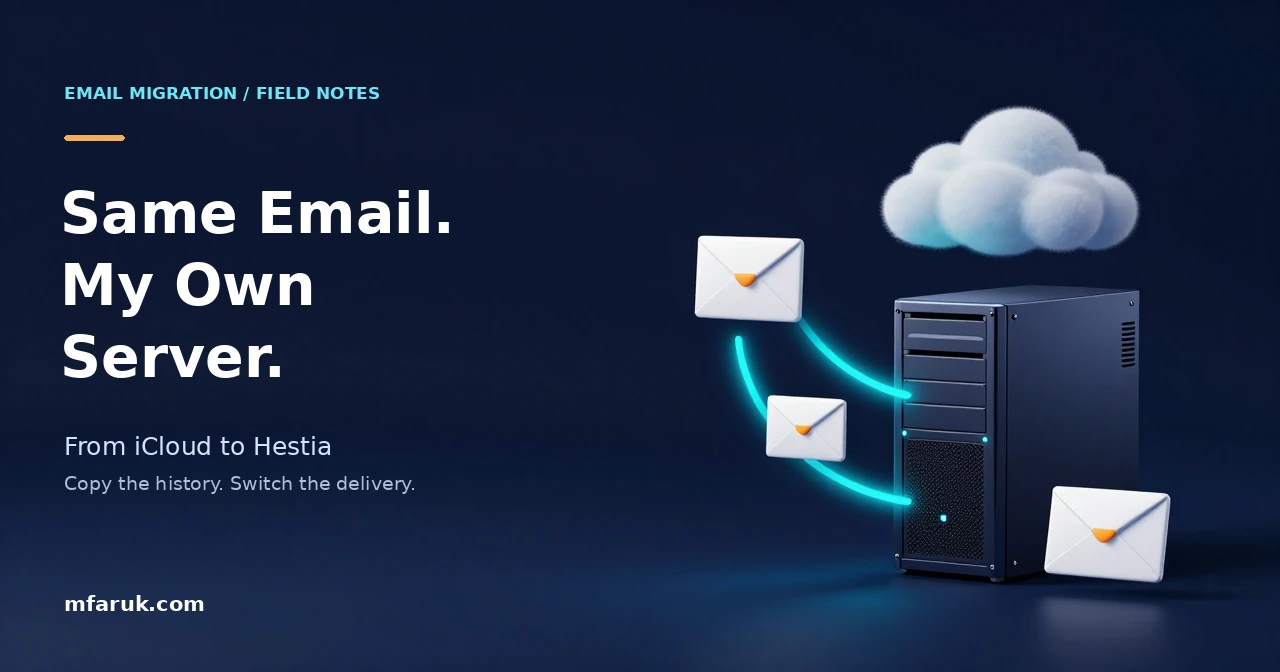
Same Email, My Own Server: Moving from iCloud to Hestia
I wanted to keep my email address while taking control of its hosting. Here is how I copied my iCloud mail, repaired webmail access and tested Hestia before switching delivery.
Practical notes on n8n automation, AI agents, web development, Linux and photography.

I wanted to keep my email address while taking control of its hosting. Here is how I copied my iCloud mail, repaired webmail access and tested Hestia before switching delivery.

In one long evening I went from a messy text menu to a system that builds every menu image, photo card and caption from one data file, checks them, and posts to a Facebook Page after I type yes. This is the full tutorial, including every place I got stuck and what fixed it.

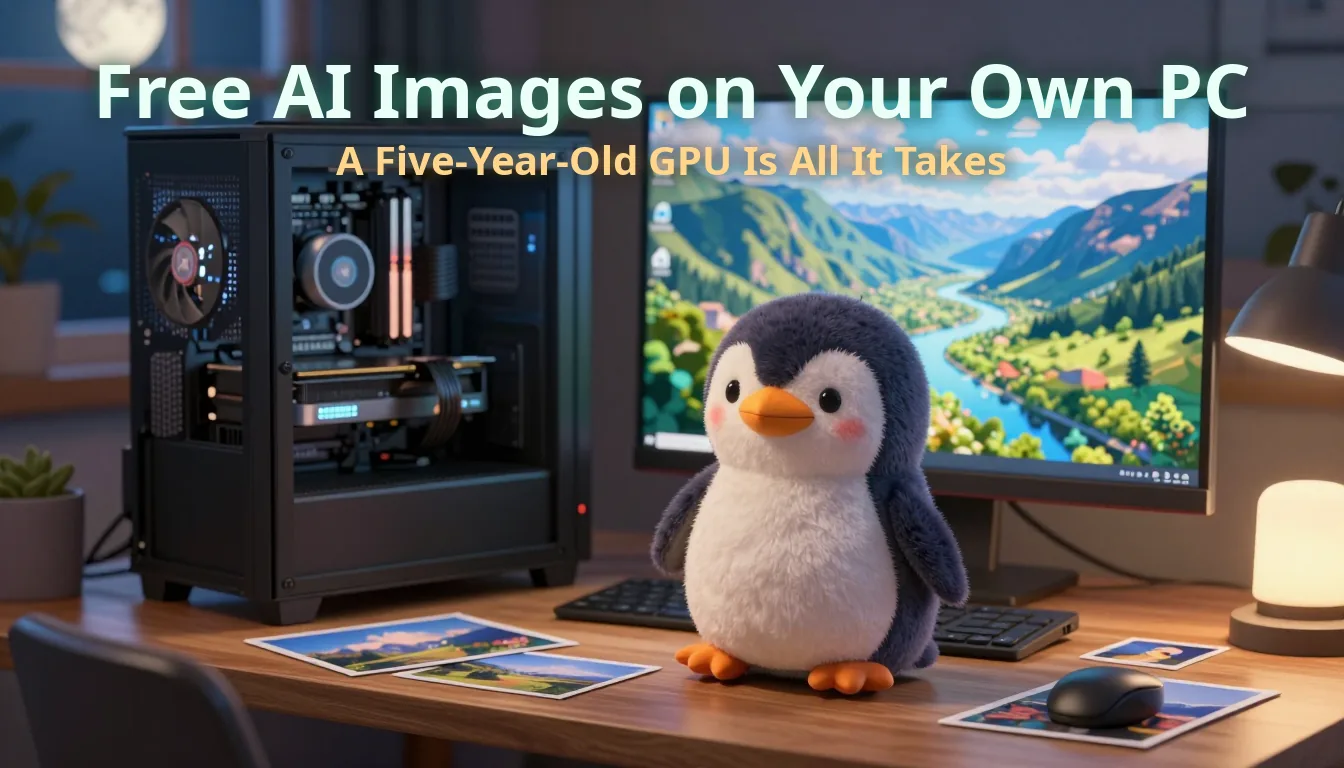
The hero image on my previous post cost me nothing — generated in 25 seconds on my own desktop by a model that lives on my hard drive, on a graphics card from 2021. Here is how easy local AI image generation has become, how good it is, and why the one model I cannot run is a story about the world's memory supply.

Hibernate on my openSUSE Tumbleweed workstation had never actually worked — every "resume" was a cold boot. It turned out to be three bugs stacked on top of each other: dracut silently dropping resume support from the initrd, a chicken-and-egg resume-device problem, and SELinux denying root. Here is the full walkthrough.

A bleeding-edge stack — Arrow Lake-S, kernel 7.0, the NVIDIA open kernel module, KDE Plasma on Wayland — that slept fine and woke up dead one resume in four. This is the war story of the night I stopped waiting for a fix that was never coming, built a custom 610.43.02 driver against my own kernel, registered it with DKMS, and watched the zombie not come back. Honest about the dead-ends, the netconsole blind spot, and the three failed installs along the way.

Every modern NVIDIA GPU on Linux fires the GSP firmware heartbeat bug on every suspend right now — across Ubuntu, Fedora, Mint, and Arch. Whether you experience it as a zombie wake depends almost entirely on your compositor. KWin retries until the firmware recovers. Mutter often gives up. Real data, sourced reports, and an open-source logger you can run on your own machine.

Every Linux speed test I tried was broken, browser-bound, or phoning home. So I built one. Fast, native GTK4, four live-working backends (Cloudflare, Ookla, M-Lab, LibreSpeed with a built-in server picker), zero tracking — installs on any distro with one command.

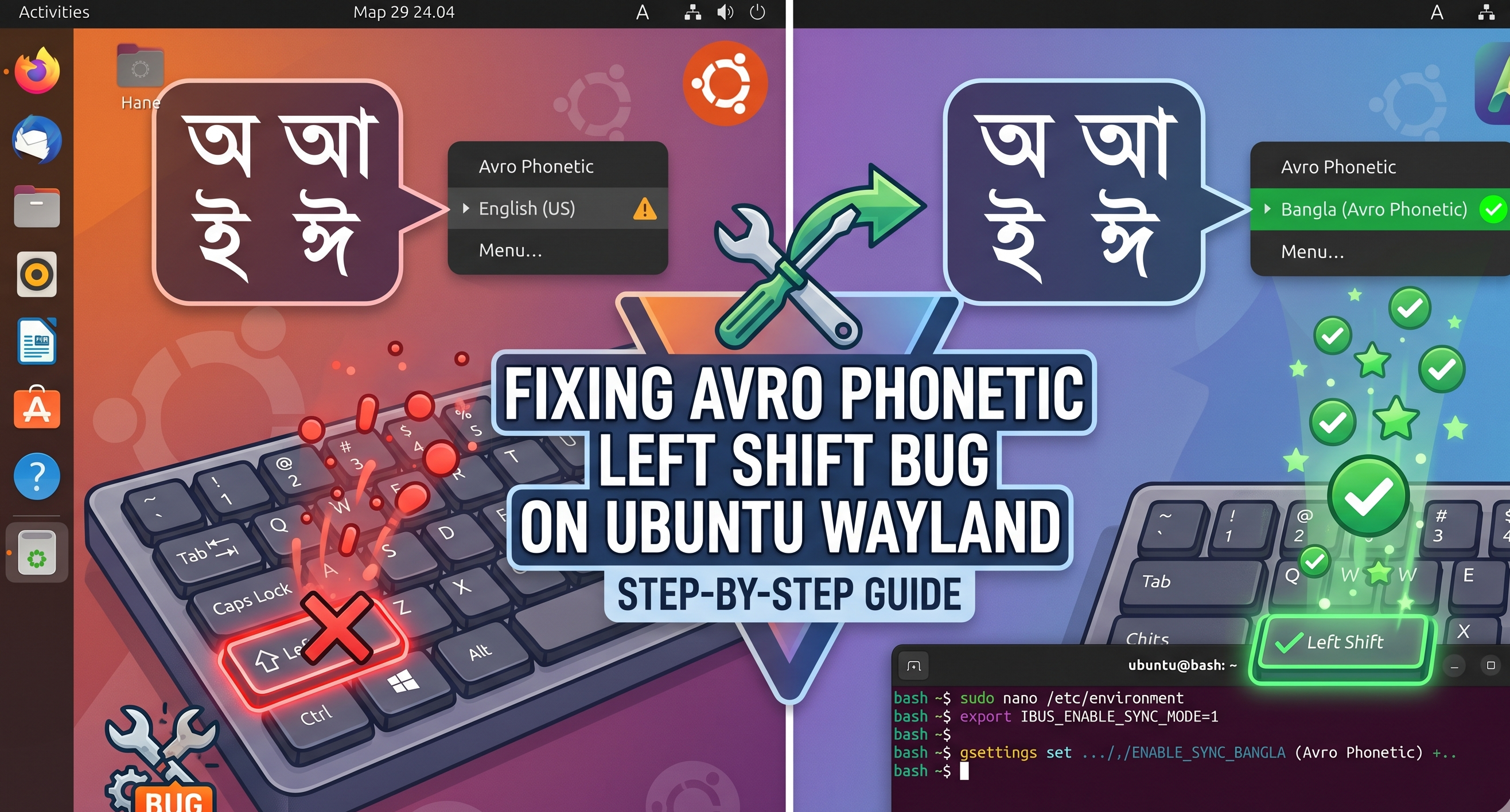
Avro Phonetic for Linux had a 14-year-old bug that broke the Left Shift key, and Wayland broke input switching entirely. I forked it, fixed the Shift bug, ported the install to GNOME 50+ and KDE Plasma 6, built a GTK4 manager, and shipped it as `ibus-avro-fixed` — one install for both desktops.

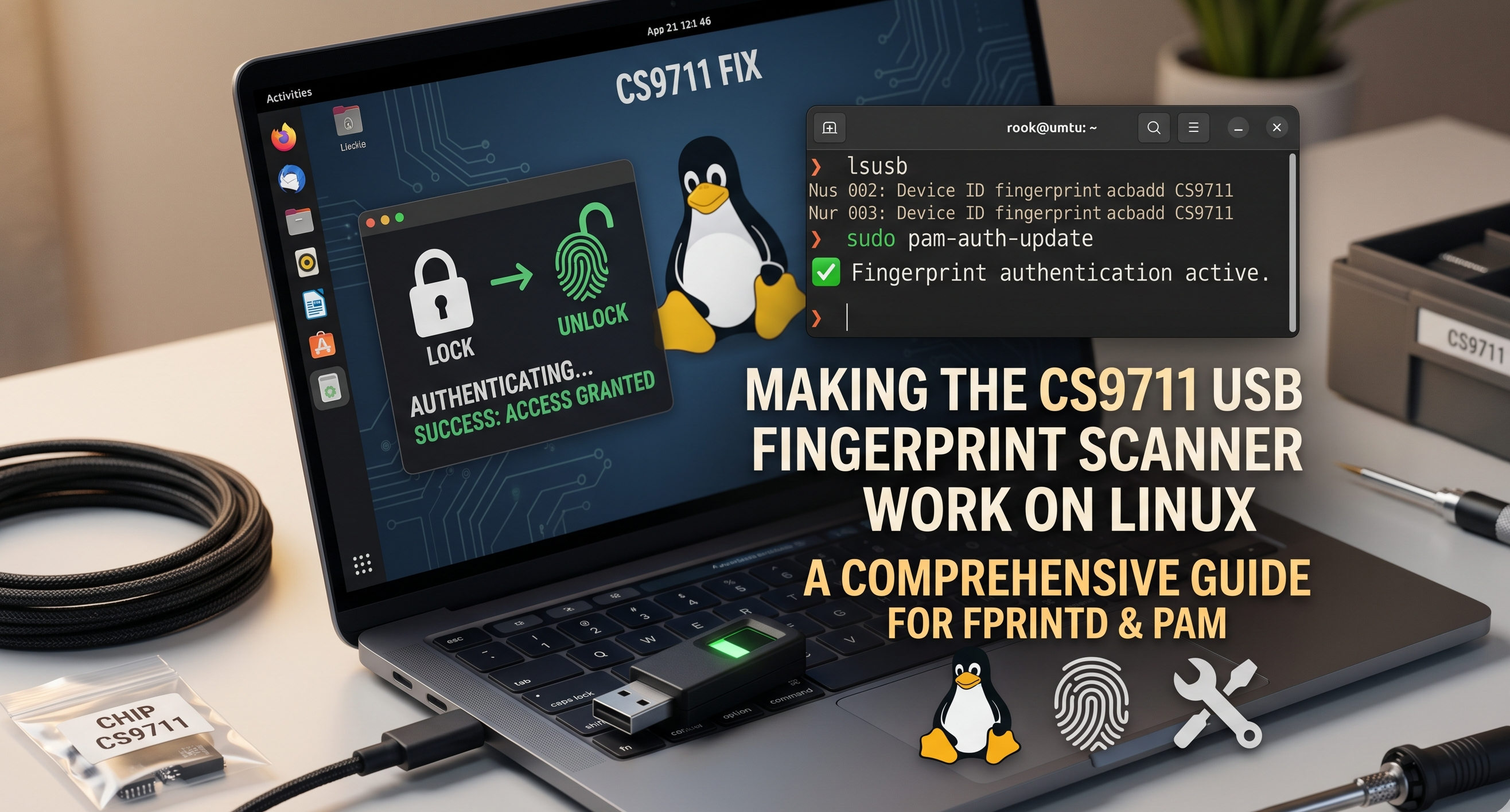
I bought a $10 USB fingerprint scanner for my Linux desktop and discovered it was not supported. So I built an open-source installer with a GTK4 GUI that makes it work across Ubuntu, Fedora, Arch, and more.